
Shaping The Future We Want
Our members are working on a wide variety of research projects, on issues from environmental communications and military sustainability, to climate resilience and human migration.
See below for some examples of cross-group projects that we're really excited about.
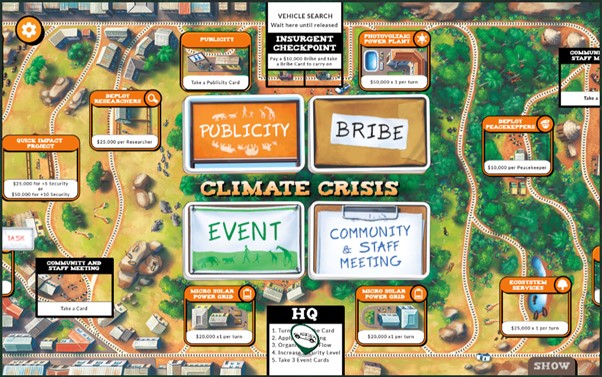
GAMEngage
Gamification for climate and sustainability engagement




The Production of Climate Justice
Underrated Ideas
Conservation Under Fire
Manakh Alsalam
Resource Orders and Transitions in Global History
Towards critical actuarial science in loss and damage negotiations
Reimagining and reframing environmental Security
Enabling equitable de-weaponization of climate change in the MENA region
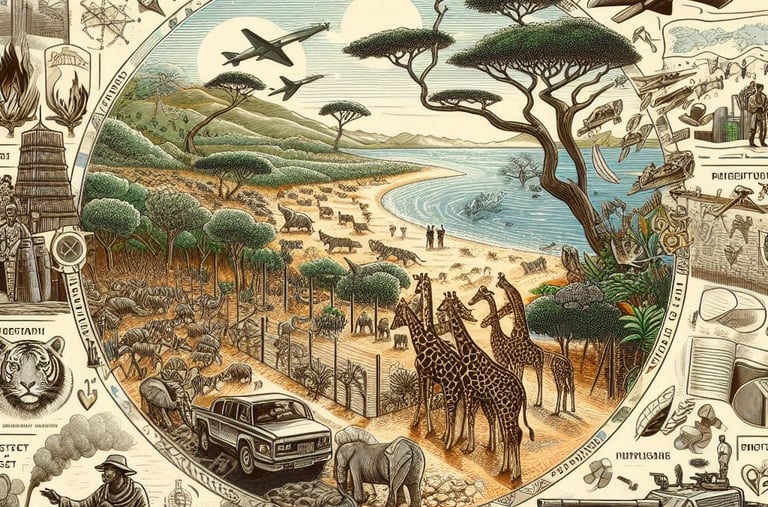
Protecting biodiversity hotspots in conflict and post-conflict areas
Green Energies on the Ground Across the Mediterranean
International Relations of Tropical Storms in the Caribbean
Forging a just and sustainable renewable energy transition
Supporting resilience and security of vulnerable states
Roots & Routes
Mobilising indigenous knowledge for urban climate resilience
Assessing how changes in the exploitation of natural resources have shaped global politics
GAMEngage: Gamification for Environmental Security Education
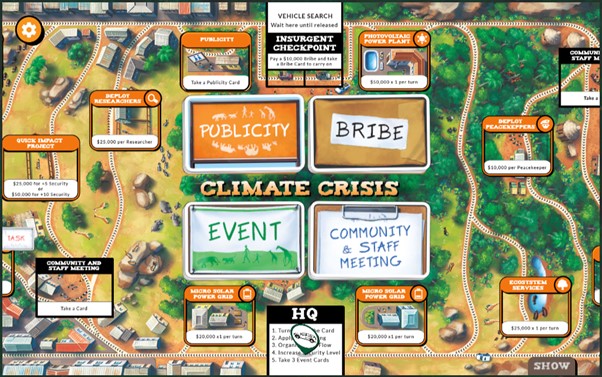
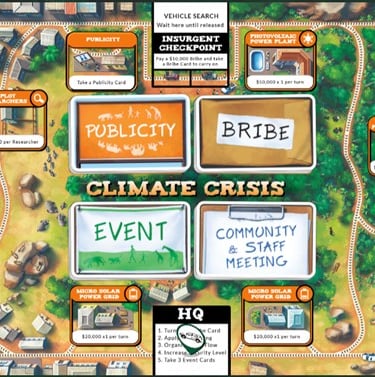
GAMEngage is testing different climate-related roleplaying games, to see how they impact people's knowledge and beliefs about climate security and sustainability. The project has already supported testing for 400+ senior officials from the military, civil service, NGOs, charities and academia from over 50 countries. We're working to expand the number of games and the ability for non-experts to access and deliver games themselves.
The project has received funding from organisations including King's College London and Circle U. It is being conducted in collaboration with partners from King’s College London, Aarhus University, and the University of Vienna.
Project Leads: Dr. Duraid Jalili, Dr. Fatima Wang and Dr. Richard Milburn

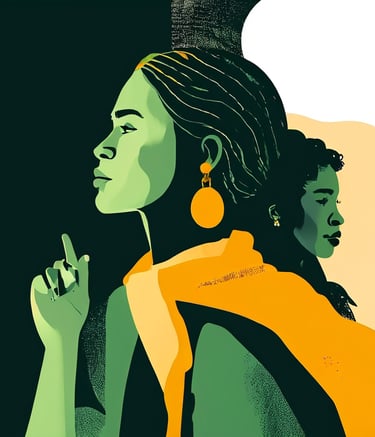
The Production of Climate Justice: Towards Critical Actuarial Science in Loss and Damage Negotiations
Climate justice is one of the prevailing challenges of the global climate governance regime, not least because of the attribution of debt and responsibility. At the international and institutional levels, discussions have largely taken place through the United Nations Framework Convention on Climate Change (UNFCCC) and its loss and damage negotiations. Yet reaching consensus on questions such as organisational and institutional logics, beneficiaries and contributors remains politically charged. This project addresses a gap in the current analysis of loss and damage negotiations by examining the assumptions behind the fund's formation and development, including how its framers understand the relationship between calculating debts for climate damage and achieving climate justice. Based on interviews with policymakers, climate justice advocates and climate scientists, as well as narrative analysis, the project builds a bridge between normative international political theory and real-world policymaking, informed by critical actuarial climate science.
Project Lead: Dr. Pauline Heinrichs
The project is funded by the British Academy, as part of its Knowledge Frontiers grant.
Underrated Ideas
Environmental security discourse continues to be informed by a relatively small circle of commentators, with limited demographic and conceptual diversity. This has resulted in a narrowing of the Overton Window, with certain narratives gaining disproportionate traction (e.g. mass migration, water wars, etc) despite the deep uncertainty that surrounds future climate security risks and opportunities. The Underrated Ideas project - between King's College London and Underrated Individuals - is seeking to change this by developing new systems for communicating important, alternative ideas around environmental security risks and opportunities for alternative, innovative responses. This includes progressive testing of different social and broadcast media systems, and the development of targeted products (including podcasts, research series, children's books, TV shorts, and music).
Project Leads: Jerome Arab

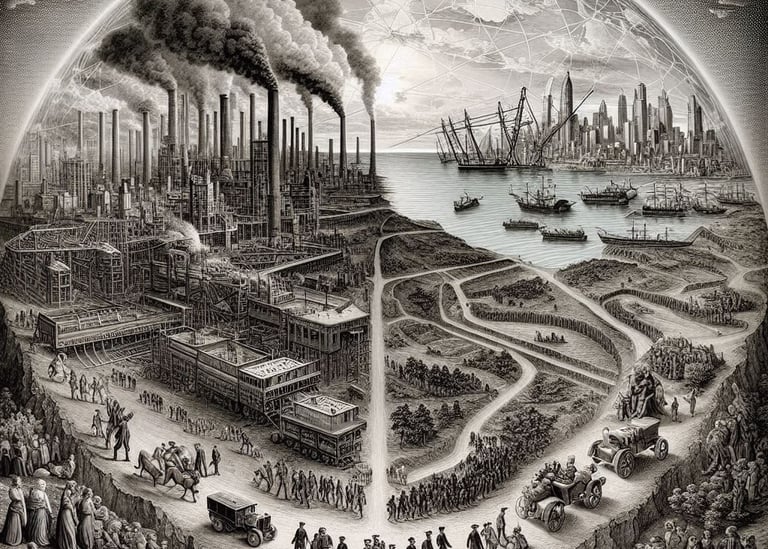
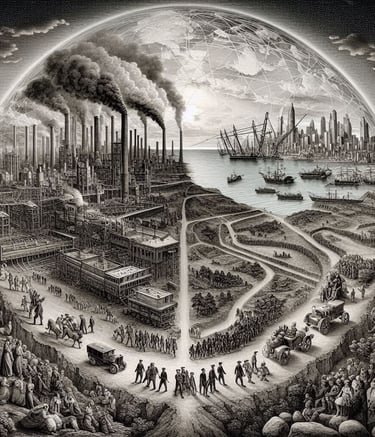
Resource Orders and Transitions in Global History
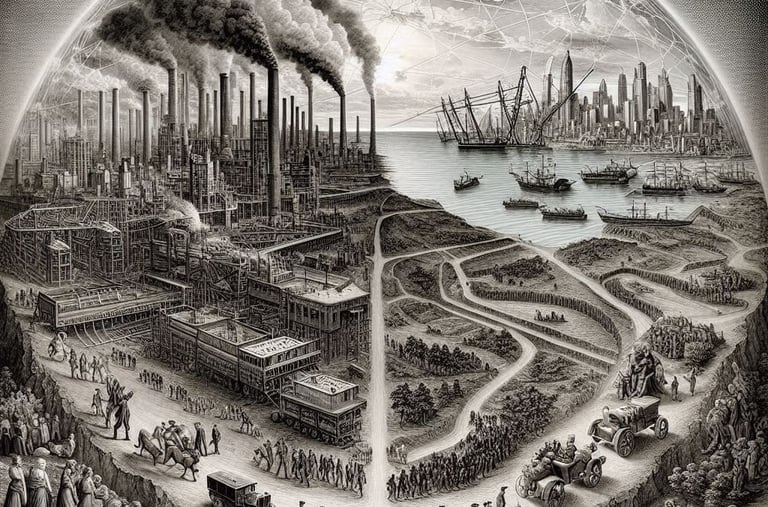
This project examines how changes in the exploitation of natural resources have shaped global politics and the environment. This includes a core focus on transitions from one ‘resource order’ to another (from the industrial revolution to the development of global capitalism), and how these have led to profound geopolitical, economic, legal, social and ecological repercussions. In examining these transitions, it seeks to provider greater insights on how to mitigate their negative consequences.
Project Leads: Dr. Mats Ingulstad and Prof. Joe Maiolo
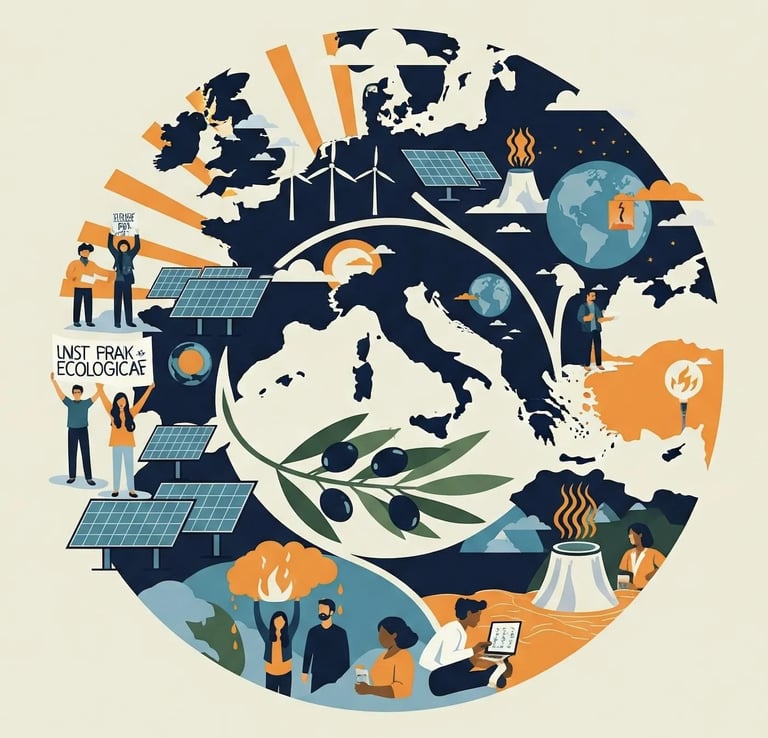
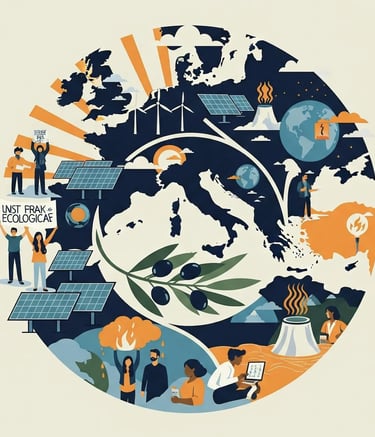
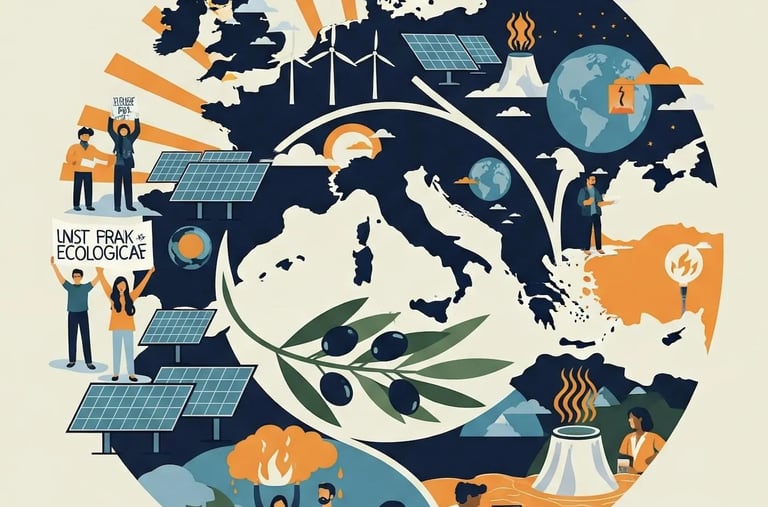
Green Energies on the Ground Across the Mediterranean
How can we forge a renewable energy transition in the Mediterranean that is both ecologically sustainable and socially just?
This project directly addresses this question by scrutinising the regional convergence of energy actors and policies across the Mediterranean, and by evaluating the value of innovative tools, specifically visual methodologies and citizen assemblies, in fostering more democratic and inclusive outcomes.
While the green energy transition is a global imperative, its implementation in the Mediterranean region creates unique tensions between decarbonisation goals, ecological integrity, and community rights.
This research aims to enhance both academic and practical understanding of these dynamics, advocating for a community-driven and equitable model of transition.
Project Lead: Dr. Emel Akçalı
The project is funded by the British Academy, as part of its Knowledge Frontiers grant.

Roots & Routes
Over the past few decades, there has been a growth in policy and practitioner understanding and acknowledgment of the importance of indigenous knowledge for enhancing ecological resilience. This growth has generated value but it has also led to the development of reductive binaries. Amongst other things indigenous knowledge is often framed as rural vs urban, analogue vs advanced, simple vs complex, and rooted vs mobile.
Roots & Routes explores the nature of indigenous wisdom around food growing that does not follow these binary traits. How can rural ecological knowledge inform urban climate resilience? How can second generation immigrants translate inherited wisdom from one context into a new environment? How can global perspectives support grass-roots initiatives?
Project Leads: Ved Shivakumar, Sophie Ball, & Samuel Allen
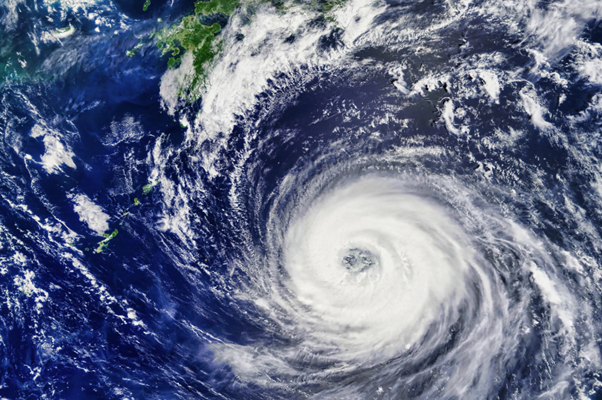
The International Relations of Tropical Storms in the Caribbean
Tropical storms and Hurricanes are cause significant harm to infrastructure, property, and claim hundreds of lives worldwide. These implications are sharply felt in the small island developing states of the Caribbean. International cooperation is essential to prepare for and manage the impacts of tropical storms and hurricanes. Yet international collaboration faces rising risks in a troubled international order. It is vital for those exposed to the impacts of destructive weather events that challenges to international cooperation are identified and overcome now.
This research project advances understanding of the risks to international cooperation and seeks to improve international policy and practices that support the resilience and security of vulnerable states and people in the Caribbean region.
Project Leads: Dr Nicholas Michelsen and Prof. Suzette Haughton
The project is funded by the Economic and Social Research Council (ESRC)

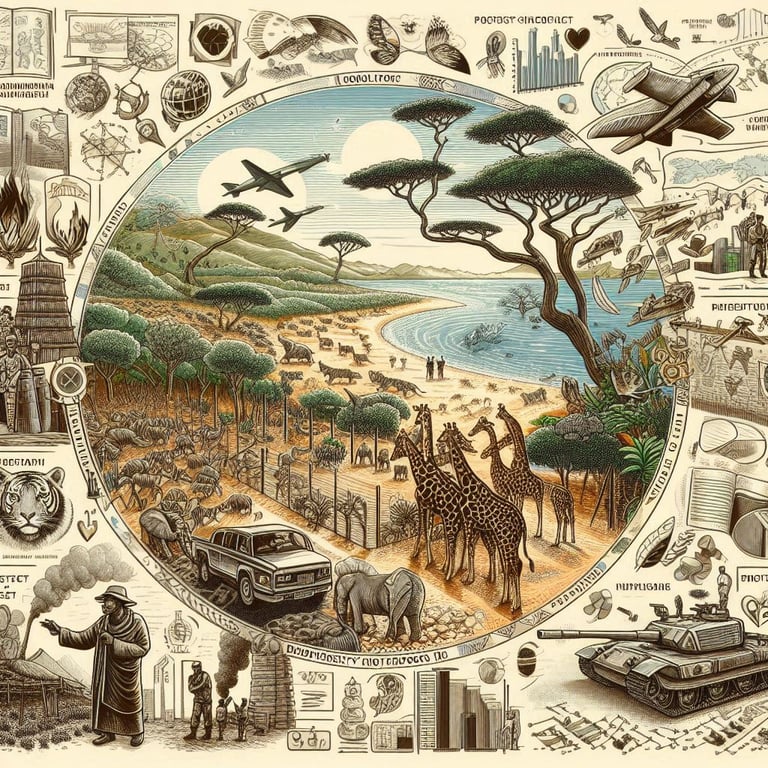
Protecting Biodiversity Hotspots in Conflict and post-Conflict Areas
Global biodiversity hotspots cover 2.4% of the Earth’s landmass yet were the site of over 80% of armed conflicts between 1950-2000. Four-fifths of these conflicts occurred on the lands of Indigenous peoples, particularly around the equatorial areas of Africa. Limited research exists on pathways to reduce this cycle, in part due to the threats to personal safety involved in research. This has led to an insufficient evidence for policymaking and practice. This project seeks to reduce this deficit, by bringing together world leading scholar-practitioners involved in physical protection and research of biodiverse conflict sites, with local and indigenous environmental leaders, to examine two key questions:
What systems best enable secure, sustainable and culturally relevant research on ecological and human insecurity in biodiversity hotspots with high levels of conflict risk?
How should lessons learned be disseminated, translated or obscured to ensure equitable policymaking, funding and practice for ecological and human security in such locales?
Project Leads: This project is testing a horizontal leadership system with no fixed lead, as part of a Participatory Action Research approach

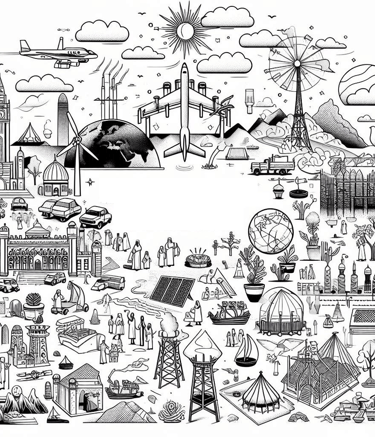
Manakh Alsalam: Enabling Equitable De-weaponization of Climate Change in the MENA Region
Climate change effects are increasingly used to advocate for exceptional measures that enhance political and geostrategic power. This ‘weaponisation’ of climate change is seen in the informational, ideological, economic and security levers used by actors from nation-states to peri-state groups (such as Hashad al-Sha’abi and Hizb’allah) to secure critical resources and underscore the legitimacy of their agenda. This generates significant risk, both from direct loss and damage to indigenous communities and ecosystems, and second and third order effects of maladaptive responses. The Middle East and North Africa are a fertile site for this process of climate weaponization, given the water scarcity and climate-induced migration facing the region. However, existing research, policy and practice for de-weaponizing climate change is often influenced by power-blindness, status-quo approaches, and a lack of understanding of local leadership beyond dominant, Western institutions. This project seeks to redress this imbalance by examining how de-weaponization of climate change can be led by indigenous groups as a mechanism for enhancing community resilience.
Project Lead: Dr. Amjed Rasheed


Jordan Climate Security project
Supporting policy-related projects on climate change and biocapacity loss issues.
Mission
Enhancing environmental security through collaboration between security scholars and practitioners.
Contact
Join Us
info@environmental-security.org
© 2025. All rights reserved.

Hosted by...